You're Not Just 'Getting Older' — You're Losing Muscle. Here's Why That Matters
The Silent Condition Stealing Your Strength, Energy, and Metabolism After 40
You feel a little weaker than you used to. Stairs take a little more effort. You get tired more easily. You've chalked it up to aging, just part of the deal after 40, right?
Not exactly. What you may be experiencing has a name, it's measurable, and most importantly my friends…it's reversible.
Muscle Loss Is Happening Whether You Notice It or Not
Sarcopenia is the age-related loss of skeletal muscle mass and strength. It begins as early as age 30, accelerates through the 40s and 50s, and affects an estimated 10–25% of adults under 70. It's one of the most significant yet underappreciated health challenges of middle age.
The consequences extend far beyond feeling weak. Muscle tissue is metabolically active. It burns calories even at rest. As you lose it, your metabolism slows, fat accumulates more easily, and energy declines. Poor balance and reduced strength also dramatically increase fall and injury risk.
Most middle-aged adults either don't know this is happening, assume it's inevitable, or are afraid to do the type of training (strength and resistance work) that directly combats it.
We have been seeing a lot of men and women in their 50s who have never strength trained in their life. Their doctors are sending them to us because they have lost muscle mass, many have beginning stages of osteoporosis, and numbers from their last blood panel indicate diseases like diabetes, cardiovascular disease and more. Nutrition is an important component of changing the trajectory of the next 10 years and beyond but strength training is equally important.
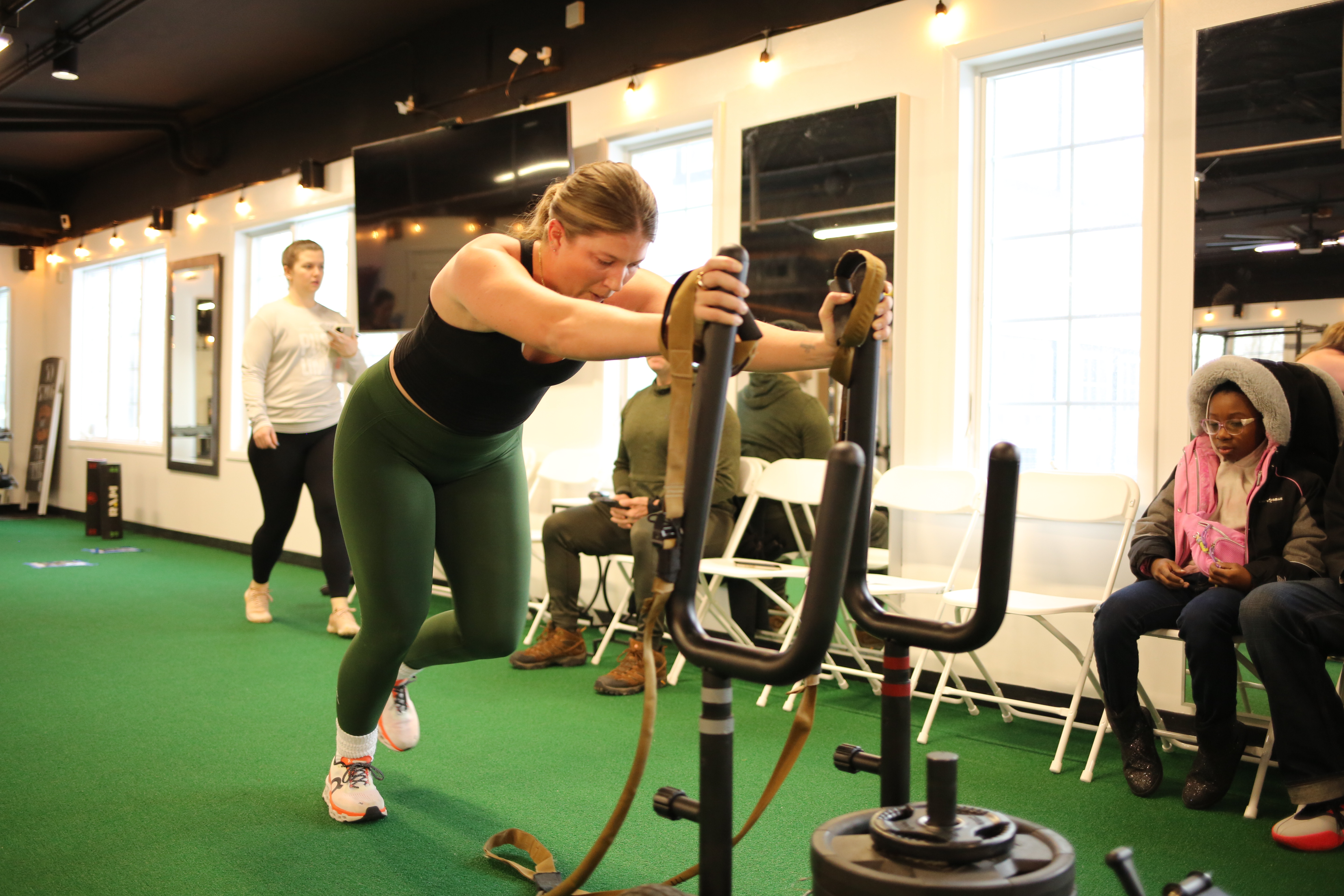
Strength training is the most evidence-backed intervention for sarcopenia, but it must be done correctly, progressively, and safely. At FitZone Personal Training in Ellicott City, our trainers design resistance programs specifically for middle-aged men and women that build muscle, improve functional strength, and protect your joints.
You don't need to become a bodybuilder. You are not going to get big bulky muscles. You WILL see positive changes in your body composition. You WILL find every day life tasks easier. You WILL have less risk and less fear of falling and getting injured. You need a strategic, guided approach to rebuilding what time has quietly taken. We'll get you there.
